
AI, Small Business
GPT-6.1 Sol: A Practical AI Follow-Up Plan for Small Business
Oct
Your phone rings while you are helping a customer. Another prospect fills out your website form. An estimate still needs a reply.
By closing time, you have worked all day. The follow-ups remain unfinished.
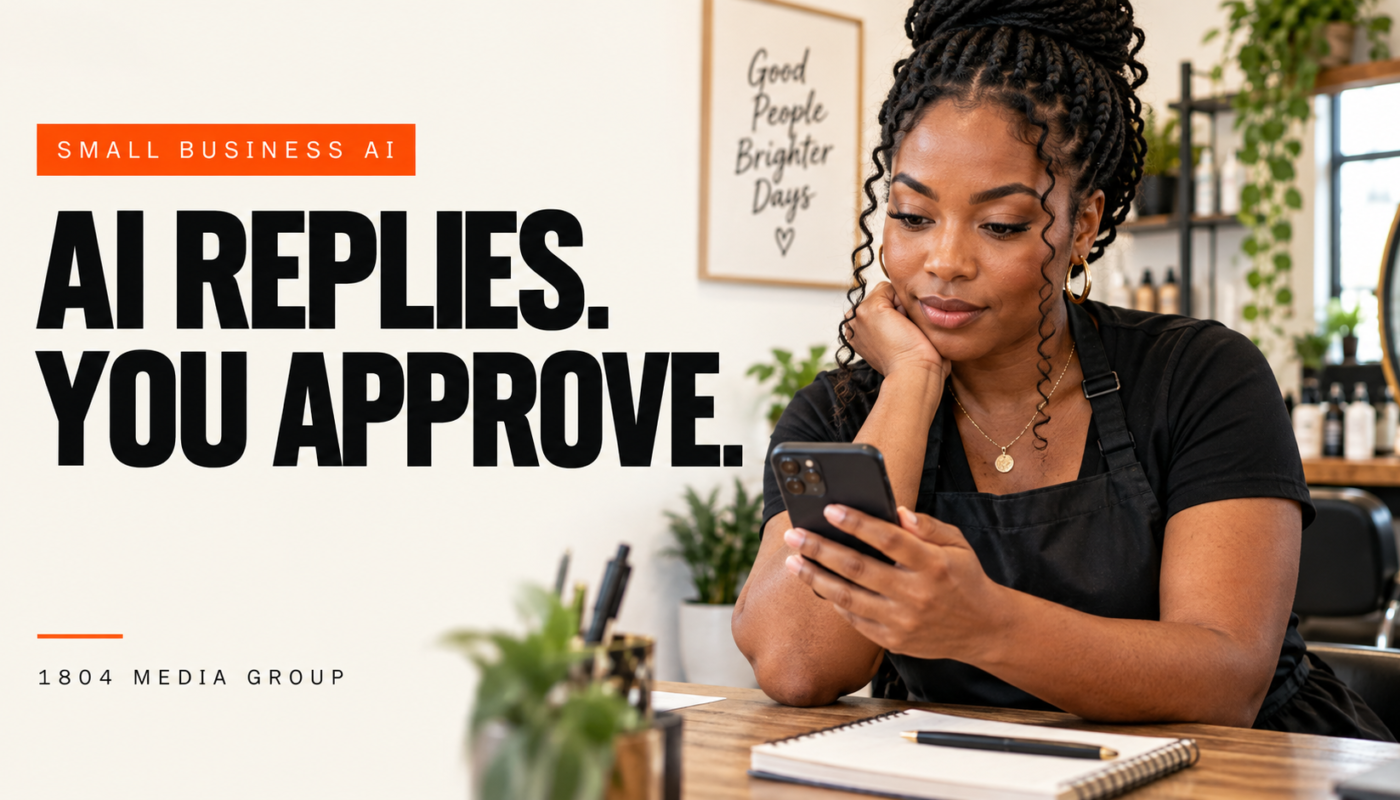
This is a useful place to start with AI for small business: preparing the next customer response and keeping the next step visible.
What changed with GPT-6.1 Sol?
OpenAI introduced GPT-6.1 Sol on September 29, 2026. Its announcement describes improvements in document understanding and multi-step business workflows, with standard API input and output prices at one-fifth of GPT-6 Astra’s. OpenAI reports a 4.8 percentage-point improvement over GPT-6 Sol on AutomationBench at medium reasoning effort.
GPT-6.1 Sol is available in ChatGPT Work and Codex for eligible paid plans, plus the API. It is not yet available in regular Chat. These are product availability details and vendor evaluation results, rather than a forecast of your business results. Read OpenAI’s release announcement.
My practical takeaway: this update gives small teams another option for testing AI-assisted administrative work. A stronger model still needs accurate business information, connected tools, and a clear process.
The problem owners are discussing on Reddit
In a recent r/smallbusiness discussion, an owner of a two-person HVAC company described scheduling, customer texts, estimates, and voicemail follow-ups becoming overwhelming. Their attempt to assemble AI automation was itself starting to feel like a full-time job. They also wanted human approval to prevent invented prices and unreviewed quotes.
That is one owner’s experience, not an industry survey. It still raises a useful question: does your AI setup reduce work, or create more work to supervise?
A separate discussion about ChatGPT Work asks for concrete, valuable use cases. The editorial lesson is straightforward: show a finished task and a measurable result.
Start with one customer follow-up
For a service business, test a narrow workflow: a new inquiry becomes a draft reply, a person reviews it, and the approved message leads to a tracked next step.
A practical example looks like this.
A homeowner leaves a voicemail about an air conditioner making noise. The business captures the transcript in its existing customer record. AI summarizes the request and drafts a response asking for the service address and preferred appointment window. A team member reviews the message before sending. The CRM assigns the follow-up to an owner and records its due time.
The AI should leave diagnosis, pricing, and appointment promises to approved information and staff judgment. Keep actual calendar availability in your scheduling system. Keep customer history and task ownership in your CRM.
This example is a proposed workflow. GPT-6.1 Sol does not connect every phone system, calendar, or CRM automatically. Check the integrations your existing tools support before adding software.
A prompt worth testing
“Using this customer inquiry and our approved service information, write a concise reply in our business voice. Identify missing details. Do not invent prices, availability, discounts, or promises. Include a separate internal note with the recommended next step. Leave the customer message unsent for human review.”
Test with anonymized inquiries first. Compare the draft with the response your team would normally send. Check accuracy, tone, missing details, and the amount of editing required.
Give the workflow a seven-day test
Choose one inquiry type with a clear next step. Write down the approved information. Assign one person to review drafts. Run the test for seven days and record what happens.
Track minutes spent per inquiry, time to the first useful response, percentage of drafts requiring corrections, and appointments booked from the inquiries handled. Include software costs and time spent maintaining the workflow.
For illustration, reducing preparation time from six minutes to three minutes across 40 inquiries saves two hours. This is sample arithmetic, not a promised result. Review time and troubleshooting belong in your calculation.
If drafts repeatedly need the same correction, fix the underlying instructions or business information before expanding the workflow.
Where this fits in your marketing system
Your website attracts inquiries. Your customer communication tools support replies. Your CRM records ownership and progress. AI assists with preparation and analysis inside this process.
For businesses exploring AI customer service tools, useful next steps include summarizing conversations, preparing follow-ups, and highlighting unanswered requests. Voice agents and chatbots need their own tested instructions, escalation rules, and integrations.
At 1804 Media Group, we view AI through the same practical lens as websites, marketing automation, and CRM systems: each part should help the business move a customer toward a clear next step.
Before adding another tool, ask yourself: which customer task keeps getting delayed, and what would a reliable next step look like?
