
AI, Digital Marketing, Small Business
Google’s AI YouTube Ads: What Small Businesses Should Test
Oct
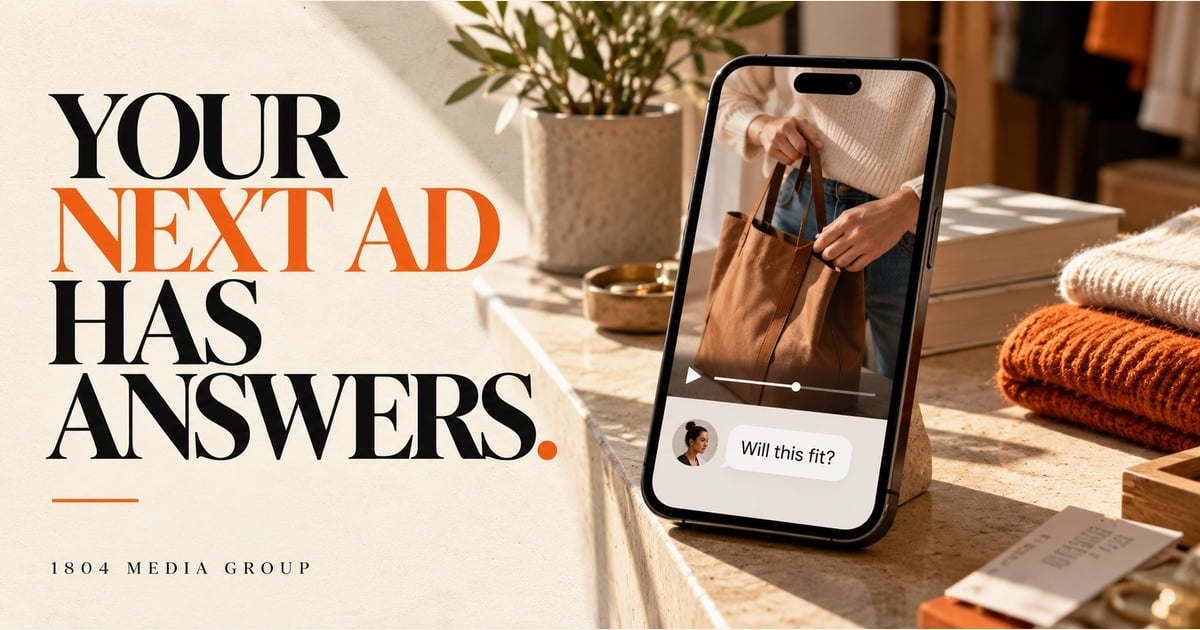
A shopper watches your product video. They like the look. Then a question interrupts the purchase: Will this fit? What comes in the package? Does this work with what I already own?
Your ad has their attention. Your business still owes them an answer.
Google’s latest advertising update puts this moment in focus. For small businesses, it offers a useful reason to review product information, customer questions, and how advertising results reach the CRM.
What changed with Google’s AI YouTube ads?
On September 24, 2026, Google announced Business Agent for YouTube Ads in its September Demand Gen update. The feature introduces conversational AI alongside video ads with product feeds, allowing viewers to ask about products or brands within their viewing experience. Google links to a sign-up form. Treat access as something to confirm for your account before planning a campaign around it.
Read Google’s official announcement.
Demand Gen is Google’s campaign offering across visual channels. This particular AI announcement concerns YouTube video ads with product feeds. A service business without a product feed should evaluate its own website questions and inquiry process separately.
My takeaway: helpful product answers deserve the same attention as the video itself. If an answer is missing, outdated, or unclear, adding AI creates another place for the problem to appear.
The concerns appearing on Reddit
In a September r/PPC discussion about Demand Gen, an advertiser described traffic quality deteriorating as spending increased and more budget shifted to Gmail. This is one advertiser’s experience with a different placement, not evidence about the new YouTube agent. It highlights a useful measurement question: are campaign results producing customers your business wants?
A separate September r/smallbusiness thread asks whether selecting AI tools and finding useful applications adds more work. The post raises a concern rather than proving how owners feel overall.
Both questions belong in a practical test. Does the feature improve the buying experience? Does the resulting work fit your team’s capacity?
Prepare answers before adding another tool
Pull the last 20 customer questions from emails, website inquiries, and social messages. Remove identifying details. Group questions around product fit, options, delivery, returns, and support.
Write a short approved answer for each recurring question. Assign someone to review the information when products or policies change. Keep the public product page and product feed consistent.
For illustration, a shop selling custom apparel might explain sizing, fabric, minimum quantities, and how buyers submit artwork. A question about a specific delivery deadline needs verified production information and staff review.
For service businesses, apply the same preparation to service areas, appointment requirements, and what happens after an inquiry. This is a separate website improvement, not a claim of eligibility for Google’s new ad feature.
Use AI to identify missing information
Try this prompt with anonymized inquiries and approved product information:
“Review these customer questions against our product page and approved policies. Identify unanswered questions, conflicting details, and unclear wording. Draft concise FAQ answers using only the supplied facts. Mark missing information for staff review. Do not invent prices, delivery dates, stock levels, or guarantees.”
Review the results before updating public content. Start with a small set of questions and check every answer against its source. This audit works independently of access to the new ad feature.
Run a focused test and track qualified results
If your account receives access, choose one product group with accurate information and a manageable budget. Define a qualified result before launching. For an online store, measure completed orders and contribution after advertising costs. For inquiries, define product fit, delivery area, and purchase readiness.
Use a two-week period as an initial operational check. Low sales volume requires more observation before drawing performance conclusions. Avoid changing creative, targeting, offers, and budget together, since those changes complicate interpretation.
Record spending, completed purchases or qualified inquiries, refunds or cancellations, and staff time spent resolving confusion. Review channel reporting where available. Keep customer outcomes in your CRM or order system so reported conversions receive a business reality check.
Here is sample arithmetic. A $300 campaign generating 30 inquiries costs $10 per inquiry. If only six qualify, the cost per qualified inquiry is $50. Neither figure predicts your results. Together, they explain why qualification belongs in the review.
Where this fits in your marketing process
Your product information supports accurate answers. Your ad introduces the offer. Your website explains the details. Your CRM or order system records the outcome and follow-up owner.
Connecting those parts gives your team a clearer view of whether an AI interaction helped someone buy or added another conversation to manage. Our earlier small business AI follow-up guide covers the next step when a customer inquiry needs a reviewed response.
At 1804 Media Group, we approach websites, digital marketing, CRM, and AI automation through practical customer tasks. This update makes answering purchase questions a useful task to examine first.
Questions small business owners are asking
Is Google’s Business Agent available to every advertiser?
The September announcement includes a sign-up link. Confirm access and requirements for your account. The announcement alone does not establish universal availability.
Does this replace my website or customer service team?
Your website remains the place for complete product information and policies. Staff still need a process for unusual questions, complaints, and promises requiring review.
What should I improve while waiting for access?
Answer recurring purchase questions on your product pages, correct inconsistent information, and connect inquiries with a follow-up owner. These improvements support your existing marketing process.
Which unanswered question appears most often before someone buys from your business?
Max Bonhomme is the owner of 1804 Media Group. He has 15 years of experience in marketing, branding, website development, and business technology, with a professional focus on customer communication, CRM systems, and workflow automation.
This article provides general marketing guidance and is not a substitute for reviewing your advertising account, product information, and campaign performance. Confirm feature eligibility and verify product answers before launch. Evaluate qualified inquiries and sales before increasing advertising spend.
